

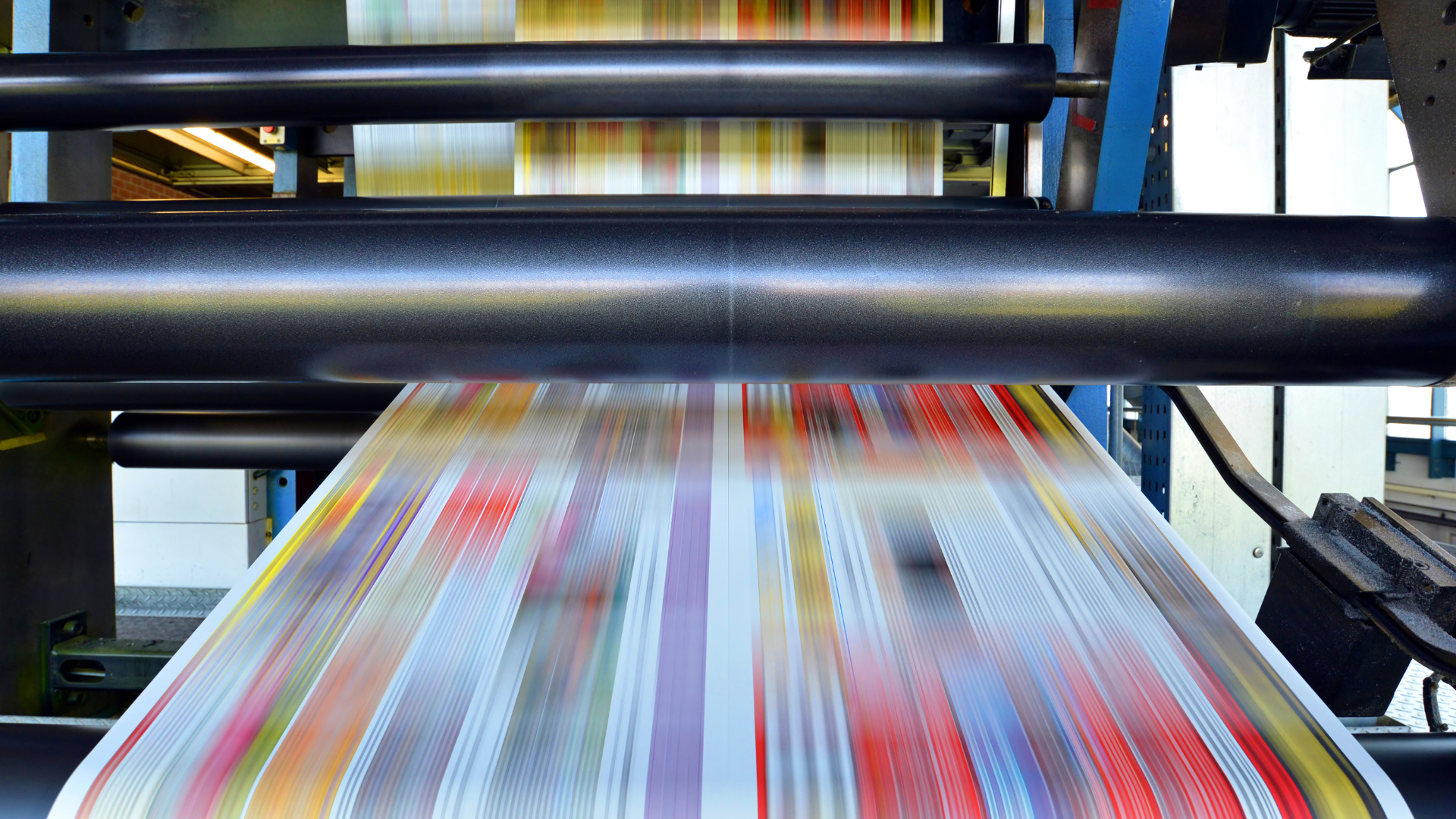
In the world of custom apparel, we’ve seen it all—from the thick, rubbery feel of old-school screen printing to the “it might fade in two washes” anxiety of basic heat transfers. But then came DTF (Direct-to-Film) printing, the industry’s current glow-up that’s changing how we think about vibrant, detailed designs.
If you’ve ever wondered how a digital image becomes a crisp, stretchy, and incredibly colorful design on a hoodie or a tote bag, you’re in the right place. Let’s break down the science behind the shine.
What Exactly is DTF Printing?
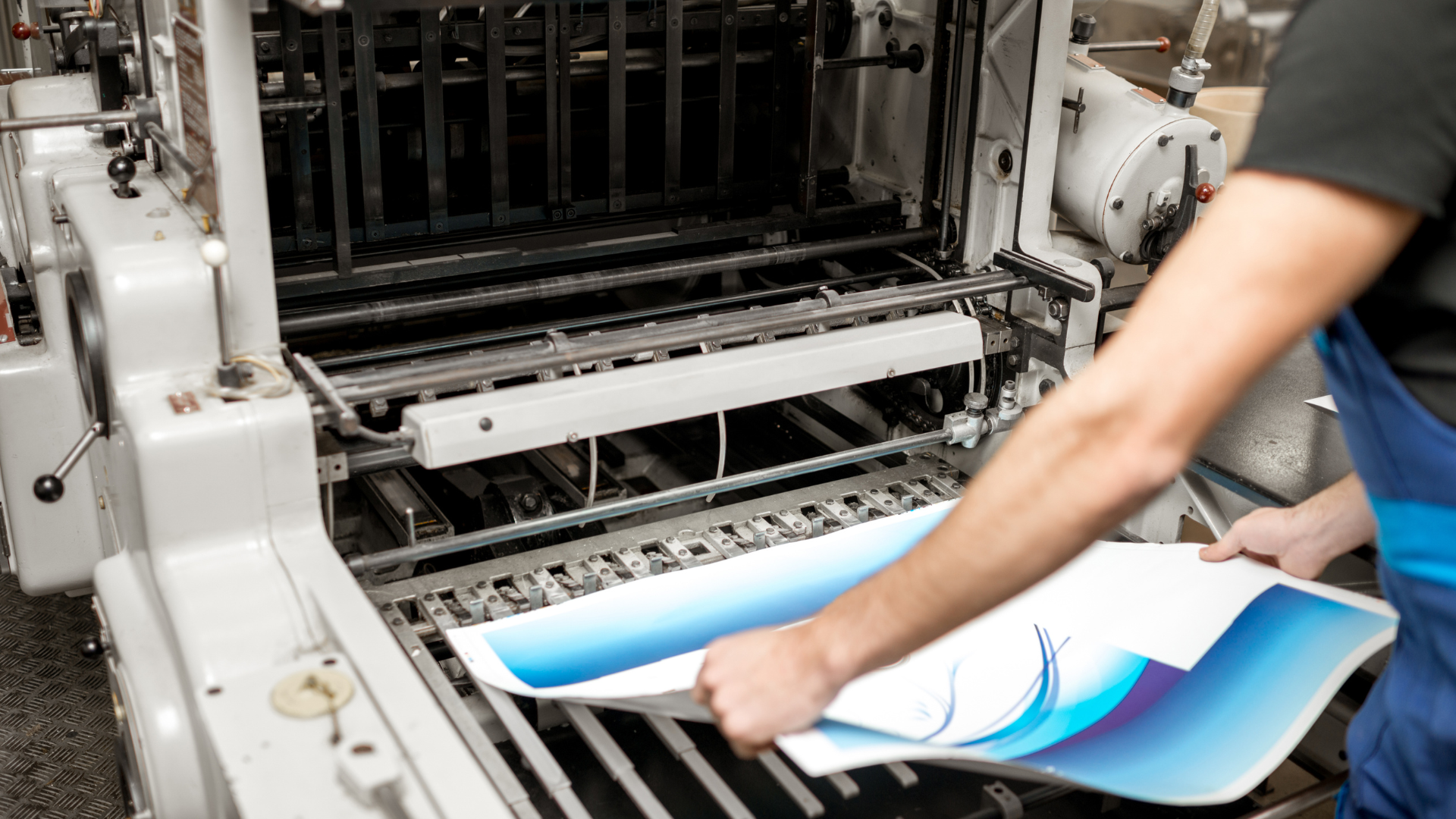
At its core, DTF printing is a three-part harmony of digital inkjet technology, specialized PET film, and a unique adhesive powder. Unlike Direct-to-Garment (DTG), which sprays ink directly onto the fabric, DTF creates a “transfer” first. This allows for a level of precision and color density that’s hard to beat.
The Step-by-Step Breakdown
- Digital Precision (The Print)
The process begins with a high-resolution printer and specialized pigment inks. The printer doesn’t just lay down CMYK (Cyan, Magenta, Yellow, and Black); it finishes with a robust layer of white ink. This white backing is the “secret sauce” that ensures colors pop, even on pitch-black fabrics. - The Sticky Science (The Powder)
While the ink is still wet on the PET film, a hot-melt adhesive powder is applied. This powder sticks only to the wet ink. Think of it as the bridge that will eventually fuse your design to the fibers of your shirt. - The Curing Process
The filmed-and-powdered design passes through a curing oven or under a heat press. This melts the adhesive into a thin, flexible layer, prepping it for its forever home. - The Heat Press (The Final Reveal)
Finally, the film is placed onto the garment and pressed. Under high heat and pressure, the adhesive bonds to the fabric. Once peeled, you’re left with a design that feels like part of the shirt—not just a sticker sitting on top.
Why Is Everyone Obsessed With It?
Why choose DTF over traditional methods? It comes down to three main wins:
- Unmatched Detail: Because the “printing” happens on a stable film rather than porous fabric, the ink doesn’t bleed. This means sharp lines, fine gradients, and tiny text stay perfectly legible.
- Vibrancy on Any Color: Since every design gets a white ink base, a neon pink design will look just as bright on a charcoal tee as it does on a white one.
- Durability and Stretch: DTF transfers are remarkably resilient. They can handle the “stretch test” without cracking and survive dozens of trips through the washing machine without losing their luster.
The Verdict
DTF printing bridges the gap between the artistic freedom of digital design and the rugged durability of commercial manufacturing. Whether you’re a brand owner looking for retail-quality merch or a creator wanting to see your digital art come to life, understanding the DTF process shows why it’s the gold standard for vibrant, detailed apparel.