

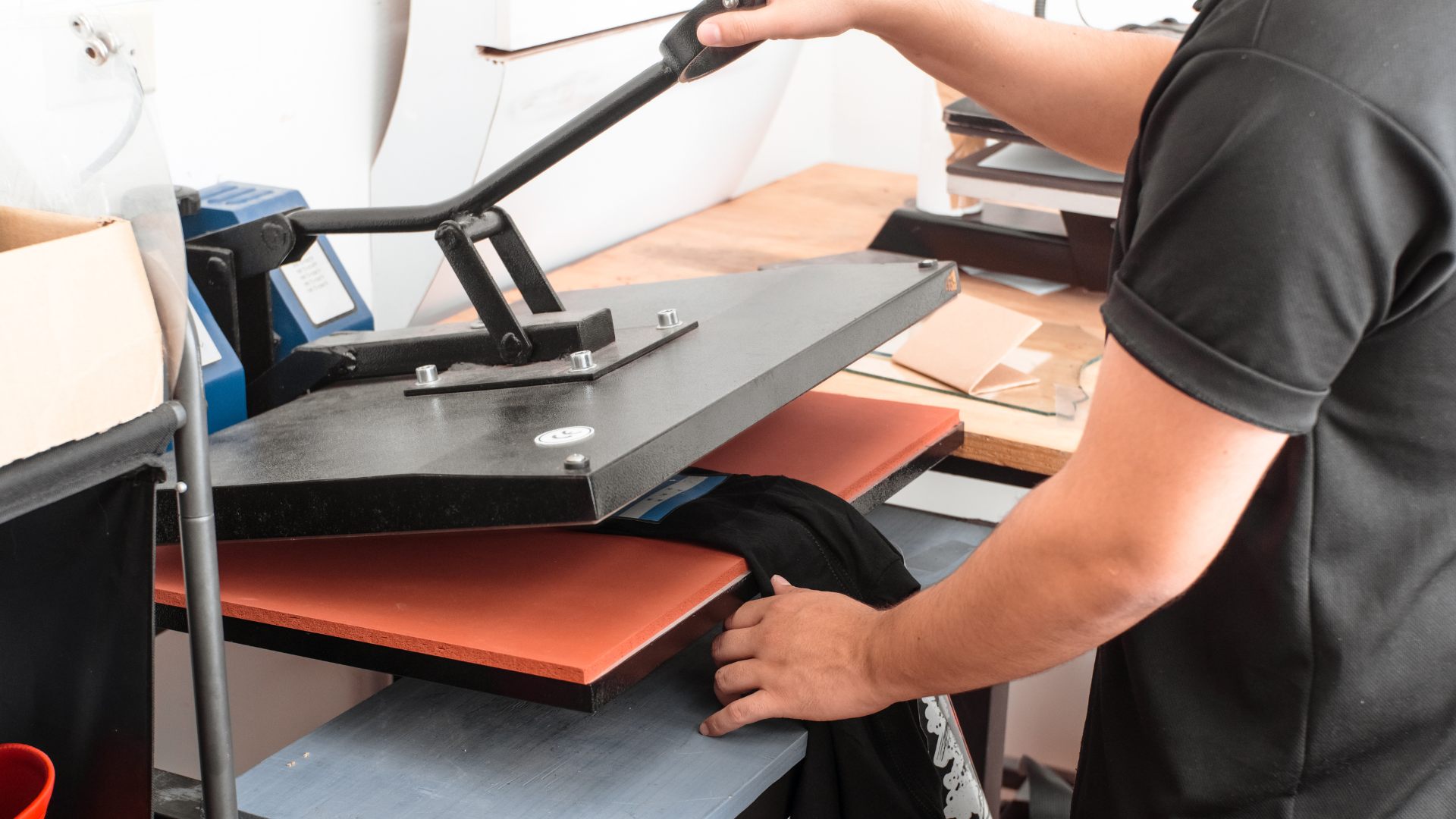
Choosing the right t-shirt printing method for your business is a crucial decision that can affect your product quality, production time, costs, and overall customer satisfaction. With numerous printing methods available, two of the most popular options are Direct-to-Film (DTF) printing and Screen Printing. Both have their advantages and are suited to different types of projects, so understanding the differences between them will help you make an informed decision.
In this post, we’ll break down the pros and cons of both DTF and screen printing to help you determine which method is best for your business.
1. Print Quality and Design Flexibility
When it comes to the quality and type of designs you can create, both DTF and screen printing offer unique benefits.
DTF Printing: DTF printing uses digital technology to print your design directly onto a film, which is then transferred onto the fabric. This method is known for its ability to produce high-resolution designs with fine details. It’s ideal for complex images (such as photos or multi-colored artwork) and designs that require a lot of colors. DTF can also produce smooth gradients and detailed textures that screen printing may struggle to replicate.
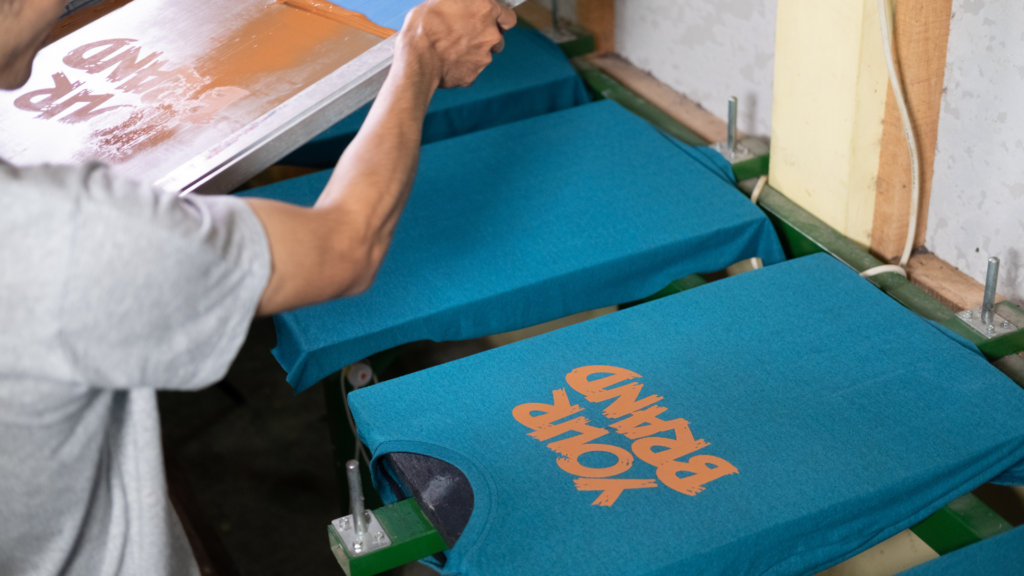
Screen Printing: Screen printing is a more traditional technique that involves creating stencils (or screens) for each color in the design. It’s best suited for simple, bold designs with fewer colors. While it can deliver vibrant, long-lasting prints, it’s not ideal for detailed, multi-color images or designs that require a lot of fine details. The screen printing process can sometimes result in a heavier feel on the fabric due to the thicker layers of ink used.
Winner: DTF printing, especially for detailed or multi-colored designs, gives you more flexibility and sharper results compared to screen printing.
2. Setup Costs and Complexity
Both printing methods involve different levels of setup, which can impact the overall cost, especially for small businesses.
DTF Printing: One of the biggest advantages of DTF printing is its low setup cost. It doesn’t require the creation of separate screens or stencils, making it ideal for small orders or designs that need to be printed on demand. Additionally, there’s no need for specialized equipment to clean screens or prepare stencils, which keeps the process simple and fast.
Screen Printing: While screen printing is cost-effective for large runs, it has higher setup costs. You need to create a separate screen for each color in the design, which can take time and resources. Additionally, the setup process can be time-consuming and labor-intensive, especially if the design is complex. For small orders, screen printing may not be cost-effective, as the setup costs can outweigh the price of printing just a few t-shirts.
Winner: DTF printing is more cost-effective and less complex for small to medium runs, while screen printing is better suited for larger quantities.
3. Durability and Longevity
When selecting a printing method, it’s essential to consider how well the prints will hold up over time, especially when it comes to frequent washing.
DTF Printing: DTF prints are known for being durable and long-lasting. The ink bonds directly to the fabric, resulting in a soft finish that won’t fade or crack easily. However, the durability of the print may also depend on the quality of the inks and transfer films used, so it’s important to choose a reliable supplier.
Screen Printing: Screen prints are extremely durable and can last for years without fading, cracking, or peeling. This method is well-known for producing high-quality prints that can withstand repeated washings. Screen printing’s durability is particularly noticeable with bold, solid designs that use plastisol inks, which are highly resistant to wear.
Winner: Both methods offer excellent durability, but screen printing has a slight edge in terms of longevity, especially for simple, bold designs.
4. Production Speed
Time is money in business, and the speed of your printing process can have a direct impact on your ability to meet customer demands.
DTF Printing: DTF printing is generally faster than screen printing, especially for small and medium-sized orders. Since there’s no need for time-consuming setup like screen preparation, you can quickly print and transfer designs onto t-shirts. This makes DTF a great option for businesses that need quick turnarounds and smaller batch orders.
Screen Printing: While screen printing is faster for large batches, it has a longer setup time due to the need to create individual screens for each color. For small orders, screen printing can be a slower process, as each shirt needs to be individually prepared and printed, which adds to the overall production time.
Winner: DTF printing is faster for small to medium runs, while screen printing excels when handling larger orders in one go.
5. Cost Efficiency for Different Order Sizes
The cost-efficiency of each printing method depends on your order size.
DTF Printing: DTF printing offers significant cost advantages for small runs, as it has a low setup cost and requires no specialized materials like screens or stencils. This makes it an affordable choice for businesses with limited budgets or those who want to print small quantities or custom one-off designs.
Screen Printing: Screen printing is more cost-efficient for large orders. The more t-shirts you print, the cheaper the price per unit becomes. The higher initial setup costs are offset when printing in bulk, making it ideal for businesses that expect to fulfill large-volume orders consistently.
Winner: DTF printing is more affordable for smaller orders, while screen printing becomes more cost-effective as your order size increases.
6. Environmental Impact
Sustainability is increasingly important for businesses and consumers alike, and both DTF and screen printing have different environmental footprints.
DTF Printing: DTF printing uses water-based inks, which are eco-friendly and have a lower environmental impact than the solvent-based or plastisol inks often used in screen printing. The method also produces less waste, as there’s no need to dispose of screens or stencils.
Screen Printing: Traditional screen printing often uses plastisol inks, which are not biodegradable and can release harmful chemicals into the environment. However, some eco-friendly alternatives like water-based inks are available. Additionally, screen printing requires the use of various chemicals for cleaning, which can have an environmental impact if not disposed of properly.
Winner: DTF printing is more eco-friendly, especially with the use of water-based inks and a lower waste production process.
Conclusion: Which Printing Method Is Right for Your Business?
Choosing between DTF printing and screen printing depends on your business needs, order volume, and the types of designs you want to print.
DTF printing is best for businesses that need quick turnaround times, custom or small orders, and highly detailed or multi-colored designs. It is also more cost-effective for small runs and offers an eco-friendly solution for those seeking sustainability.
Screen printing is ideal for businesses that focus on large volume orders and simple, bold designs. It is more cost-efficient for large orders and offers exceptional durability for certain types of designs.
Ultimately, both methods are highly effective and have their place in the custom t-shirt printing world. By evaluating your business needs—whether it’s the type of designs you want to print, the quantity you need, or your budget—you can make the best decision for your business.