

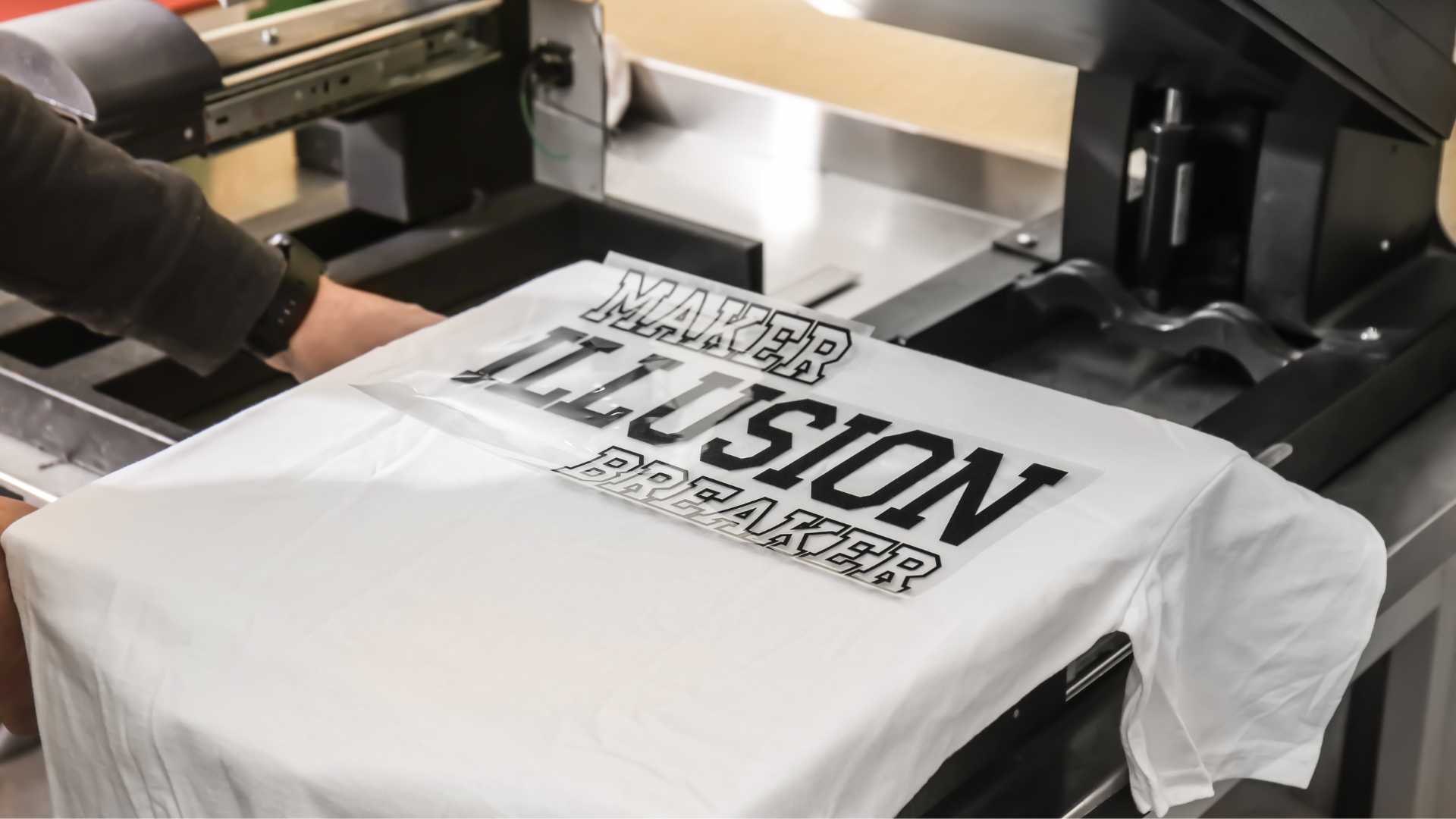
When it comes to creating custom apparel, two popular methods often come up in conversation: Direct-to-Film (DTF) printing and screen printing. Both methods produce high-quality designs on clothing, but each has its unique advantages and considerations. So, which one is best for your custom apparel? Let’s dive into the details to help you make an informed decision.
What Is DTF Printing?
DTF (Direct-to-Film) printing is a relatively new technology that prints your design onto a special film, which is then transferred onto fabric using heat. This method uses water-based inks and a transfer process that results in vibrant, durable designs that adhere well to various fabrics.
Advantages of DTF Printing:
- Versatility: DTF printing works on a wide variety of materials, including cotton, polyester, and even blends, making it perfect for custom designs on apparel of all kinds.
- No Minimum Order: Unlike screen printing, which often requires larger quantities, DTF allows for small batch or even single-item printing, making it ideal for limited runs.
- Full-Color Prints: DTF printing excels in reproducing intricate, full-color designs, gradients, and photo-quality images, allowing for a high level of detail.
- Quick Turnaround Time: DTF printing is faster for small runs compared to screen printing, as there is no need to create screens or long setup times.
Disadvantages of DTF Printing:
- Durability Concerns: While DTF prints are generally durable, they may not last as long as screen prints on garments that are washed frequently. Over time, the print may start to show signs of wear.
- Cost for Small Runs: While it’s cost-effective for small batches, the per-unit price can be higher compared to screen printing for larger orders.
What Is Screen Printing?
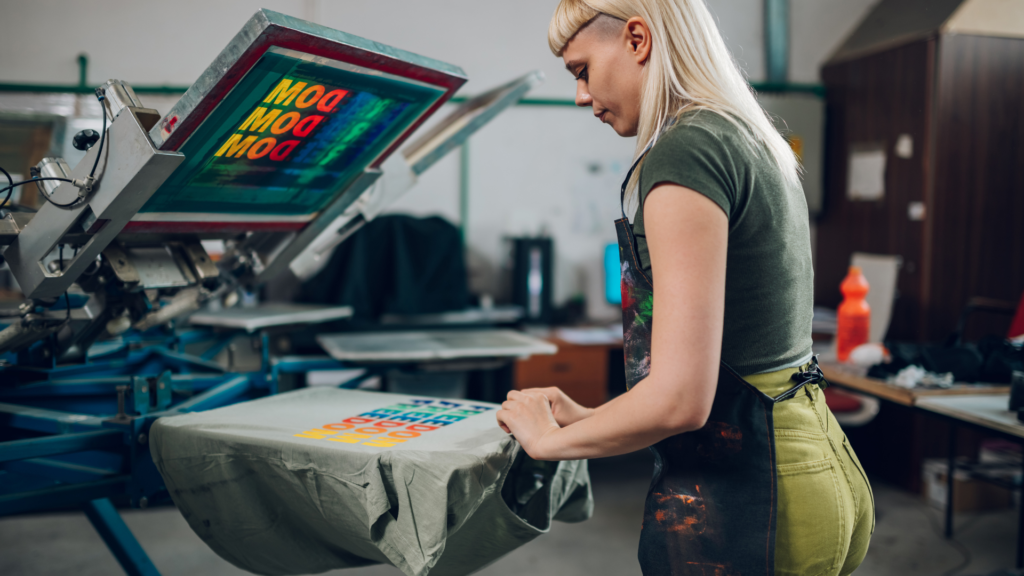
Screen printing, also known as silk screening, is one of the oldest and most widely used methods of printing designs onto fabric. This technique involves creating a stencil (or screen) for each color in the design and then pressing ink through the screen onto the fabric.
Advantages of Screen Printing:
- Long-Lasting Durability: Screen prints are known for their durability and can withstand numerous washes without fading or cracking, especially when using high-quality inks.
- Cost-Effective for Large Orders: Screen printing becomes very cost-effective when printing large volumes, as the setup costs are spread over many items, reducing the cost per unit.
- Vibrant Colors and Opacity: The thick layers of ink used in screen printing provide vibrant, opaque designs, especially on dark fabrics.
Disadvantages of Screen Printing:
- Limited Design Complexity: Screen printing is not ideal for highly detailed, multi-colored designs. Each color requires a separate screen, which can make the process more complex and time-consuming for intricate graphics.
- High Setup Costs: For small runs, the initial setup can be expensive due to the need to create screens for each color. This makes screen printing less economical for orders with fewer items.
- Less Suitable for Small Orders: Screen printing is best suited for large runs. For small quantities, the setup time and cost can make it less efficient.
DTF vs. Screen Printing: Which One is Right for You?
1. Order Quantity:
- If you’re looking to create small runs or single custom items, DTF printing is the way to go. It’s a cost-effective method for low quantities, and there’s no need for complex setup.
- For large-scale orders or bulk productions, screen printing shines. The more units you produce, the lower the per-unit cost becomes, making it ideal for mass production.
2. Design Complexity:
- For highly detailed designs, full-color graphics, and photographic prints, DTF printing excels. It can handle fine details, gradients, and intricate designs that are challenging for screen printing.
- For simple logos or block color designs, screen printing is a great choice. It provides vibrant, solid colors and works well with basic graphics.
3. Fabric Type:
- DTF printing is versatile and works well on various fabrics, including cotton, polyester, and blends, making it a good option for different apparel types.
- Screen printing is also effective on a variety of fabrics, but it’s most commonly used on cotton and polyester. It may require additional preparations when working with more specialized fabrics.
4. Durability:
- Screen printing is known for its long-lasting durability. The ink bonds with the fabric, which means it holds up well over time, even with repeated washes.
- DTF printing offers decent durability, but it may not last as long as screen printing, particularly on items that are frequently washed.
Conclusion:
Both DTF printing and screen printing offer unique benefits, and the best choice depends on your specific needs. If you’re looking for high-quality, vibrant designs for small orders or a range of fabric types, DTF printing could be the ideal solution. On the other hand, if you need to produce large quantities of durable, long-lasting prints, screen printing is the way to go.
By considering your order size, design complexity, fabric choice, and durability requirements, you can choose the best printing method for your custom apparel and ensure a product that’s both stylish and long-lasting.