

When you’re looking to create custom gear—whether it’s for a corporate event, a sports team, or your own streetwear brand—the first hurdle is choosing the right decoration method. With so many options, how do you know which one will make your design pop and your budget stay intact?
Today, we’re breaking down the “Big Three” of custom apparel: Screen Printing, Embroidery, and Heat Transfer Printing.
1. Screen Printing: The Gold Standard for Bulk
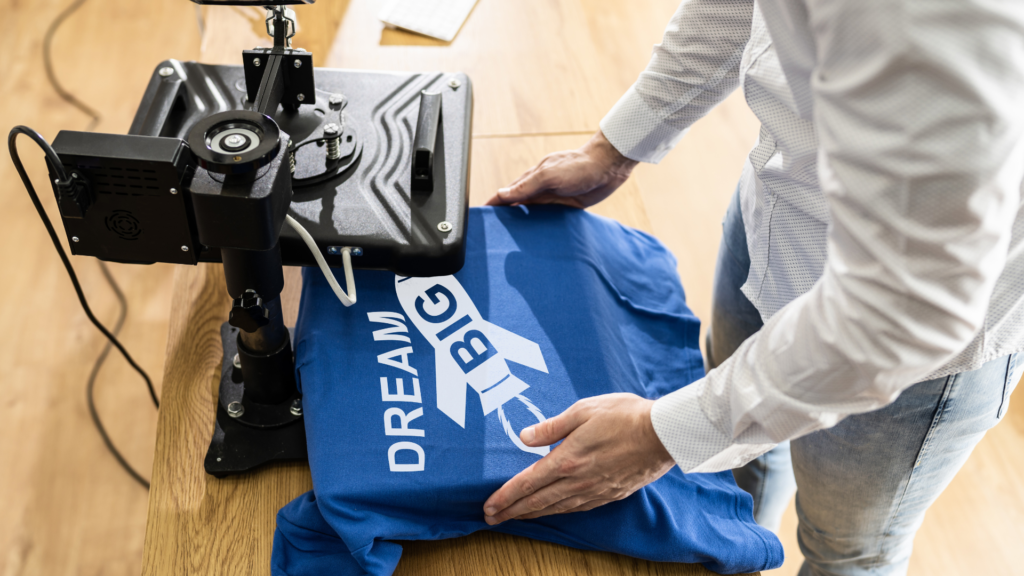
Screen printing is the traditional powerhouse of the industry. It involves creating a stencil (the “screen”) and pushing layers of ink through it onto the fabric.
-
Best For: Large orders, simple logos, and vibrant colors.
-
Durability: High. These prints can withstand hundreds of washes without fading.
-
The Pro: It is the most cost-effective method for high-volume orders.
-
The Con: Setup takes time. Since every color requires a new screen, it’s not ideal for small batches or designs with many colors.
2. Embroidery: The Professional Touch
If you want a look that screams “premium,” embroidery is your go-to. Instead of ink, your design is stitched directly into the fabric using high-speed industrial sewing machines.
-
Best For: Polos, hats, outerwear, and corporate branding.
-
Durability: Maximum. The thread often outlasts the garment itself.
-
The Pro: It adds a professional, 3D texture that ink simply can’t replicate.
-
The Con: It doesn’t handle fine details or tiny text very well, and heavy designs can feel “stiff” on lightweight t-shirts.
3. Heat Transfer Printing: The Versatile Choice
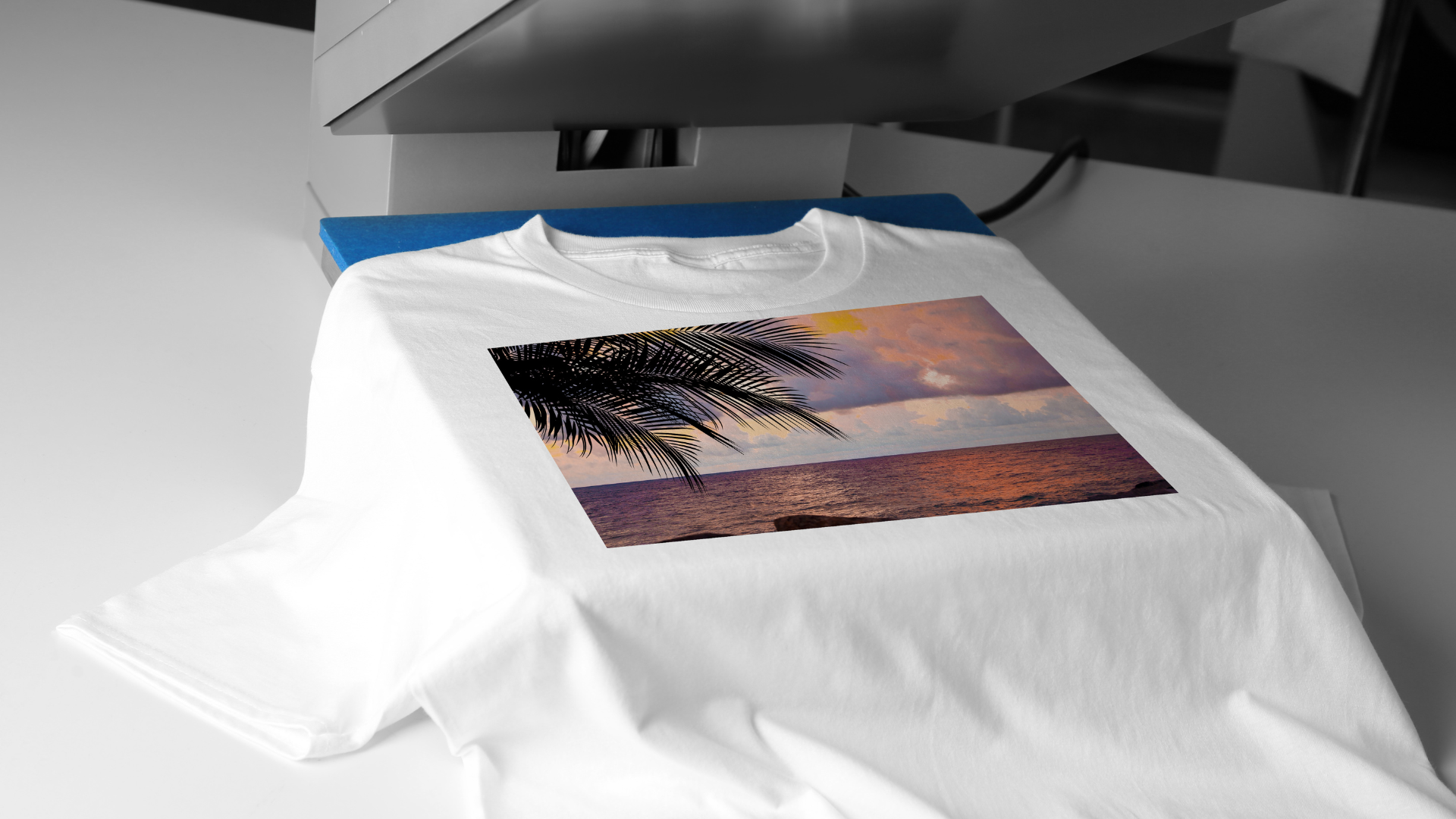
Heat transfer involves printing a design onto specialized carrier paper and then using a heat press to “melt” the design onto the garment. This includes modern techniques like Direct-to-Film (DTF) and Vinyl.
-
Best For: Small orders, names/numbers on jerseys, and photo-realistic designs.
-
Durability: Moderate. Modern transfers are much better than they used to be, but they may eventually crack after heavy use.
-
The Pro: Incredible detail and color range with zero setup fees.
-
The Con: It can have a “rubbery” feel on the chest if the design is too large.
Quick Comparison Table
| Feature | Screen Printing | Embroidery | Heat Transfer |
| Best Order Size | Large (24+) | Any | Small (1–12) |
| Texture | Flat / Soft | Raised / Stitched | Thin / Film-like |
| Color Complexity | Limited | Limited by thread | Unlimited (Photos) |
| Common Use | T-shirts / Hoodies | Polos / Caps | Jerseys / Samples |
Which One Should You Choose?
Selecting the right method boils down to your quantity and material.
-
Need 100 t-shirts for a 5k run? Go with Screen Printing.
-
Need 10 polos for your sales team? Choose Embroidery.
-
Need a one-off birthday shirt with a photo on it? Heat Transfer is your winner.
Pro Tip: Always consider the weight of your fabric. You don’t want a heavy embroidery design on a paper-thin summer tee, just as you wouldn’t want a delicate heat transfer on a rugged canvas jacket.
 GET A FAST QUOTE