

As we move through 2026, the custom apparel industry is undergoing a massive transformation. It’s no longer just about putting a logo on a shirt; it’s about identity, sustainability, and high-tech personalization.
Whether you’re a business owner looking for team merch or a designer launching a new line, these are the top 5 trends defining custom apparel this year.
1. Earth-Tone Palettes & “Cloud Dancer”
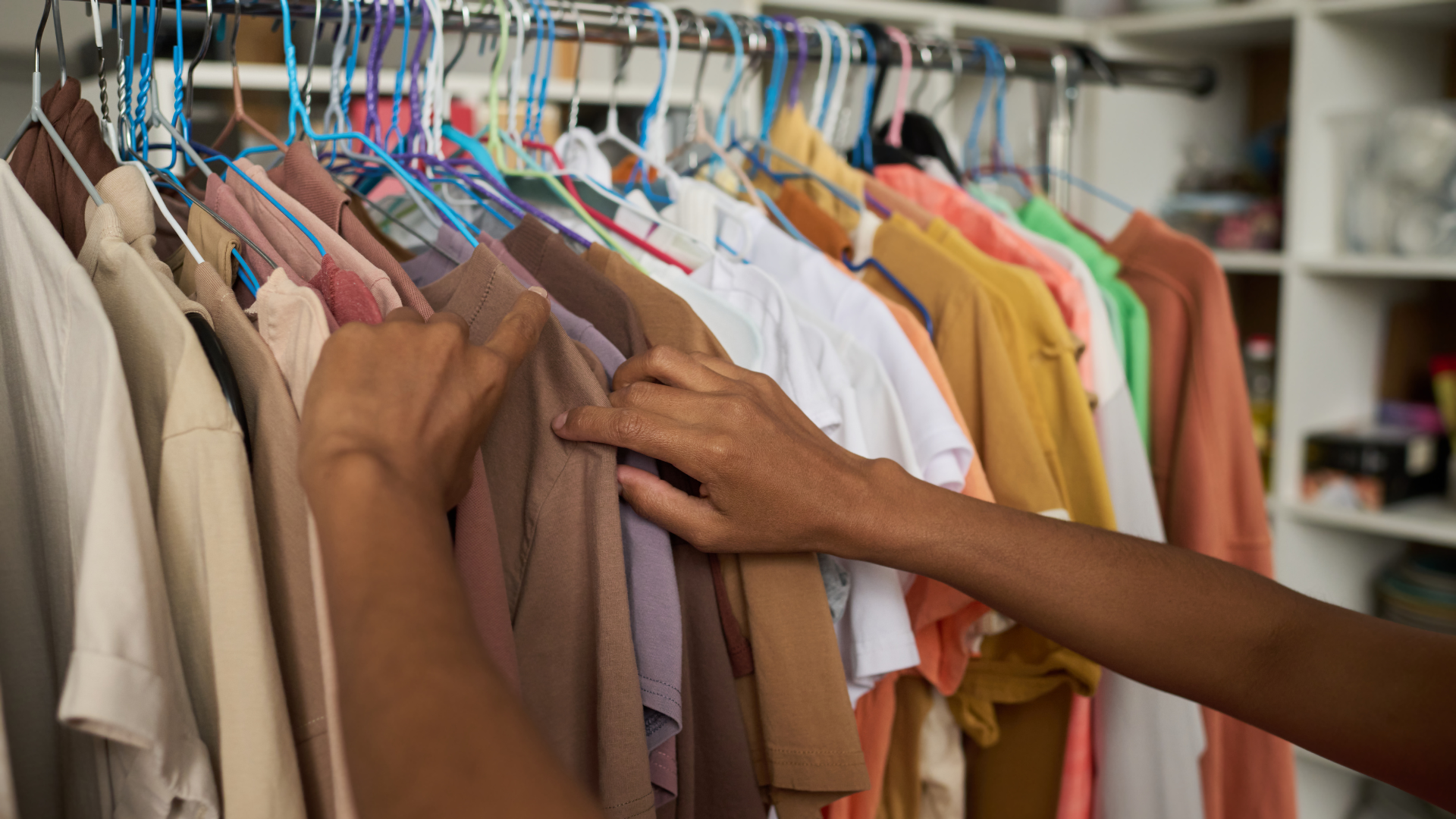
The neon-heavy digital aesthetics of previous years are giving way to nature-inspired hues. 2026 is the year of grounded, organic colors that feel timeless and premium.
-
The Key Color: Cloud Dancer (a soft, airy off-white) has emerged as the go-to base color, replacing stark clinical whites.
-
The Accents: Expect to see terracotta, muted sage greens, and deep “heritage” olives. These colors transition perfectly from a corporate environment to a weekend lifestyle.
2. “Quiet” Branding & Wearable Collections
The days of giant, loud chest prints for company swag are fading. In 2026, brands are shifting toward subtle, retail-quality designs that people actually want to wear in their daily lives.
-
Tonal Embroidery: Using thread that is only a shade or two different from the garment color for a “barely there” look.
-
Minimalist Placement: Moving logos to the nape of the neck, the wrist cuff, or the bottom hem.
-
Capsule Logic: Instead of one-off shirts, organizations are creating cohesive collections (a matching hoodie, tote, and cap) that share a consistent design language.
3. Generative AI & Hyper-Personalization
Technology is making “one-of-a-kind” a reality at scale. Custom apparel in 2026 leverages AI to ensure no two pieces are exactly alike.
-
Generative Graphics: Brands are using AI to create unique patterns or variations of a logo for “limited drop” events, giving every recipient a unique version of the design.
-
On-Demand Precision: Advancements in DTF (Direct-to-Film) printing allow for photographic detail and complex gradients on almost any fabric, making hyper-detailed AI art easy to reproduce.
4. Circularity and the “Digital Product Passport”
Sustainability is no longer a “bonus”—it’s a requirement. In 2026, the industry is moving toward circular fashion models.
-
Traceable Tech: Many high-end custom garments now include a QR code or “Digital Product Passport” (DPP) that tells the wearer exactly where the cotton was grown and how to recycle the shirt at the end of its life.
-
Regenerative Materials: Look for fabrics like hemp, bamboo blends, and regenerative organic cotton, which focuses on soil health rather than just avoiding pesticides.
5. Heavy-Weight “Boxy” Silhouettes
The “slim-fit” era is officially in the rearview mirror. Streetwear’s influence has fully permeated the custom apparel world, leading to a demand for oversized and boxy fits.
-
Heavyweight Cotton: Customers are opting for 250+ GSM (grams per square meter) fabrics that provide a structured, premium drape.
-
Drop Shoulders: This relaxed silhouette has become the standard for event merch and creator apparel, offering a modern, effortless look that suits all body types.
Comparison: 2025 vs. 2026 Trends
| Feature | 2025 Trend | 2026 Trend |
| Fit | Athletic/Slim | Boxy/Oversized |
| Colors | Bold/Digital Neons | Earthy/Muted Tones |
| Logo Style | Large Center-Chest | Small/Tonal Embroidery |
| Fabric | Recycled Polyester | Regenerative Cotton/Hemp |
Final Thoughts
The common thread for 2026 is intentionality. People are tired of “disposable” custom clothes. By focusing on high-quality fabrics, subtle branding, and sustainable practices, your custom apparel will not only be trendy—it will be a wardrobe staple for years to come.
Which of these 2026 trends are you most excited to try for your next project?
 GET A FAST QUOTE