

Whether you’re gearing up for a high-stakes tech conference, a community 5K, or a team-building retreat, the “perfect” t-shirt is more than just a piece of fabric—it’s a memory people actually want to keep.
In 2026, the standard for custom apparel has shifted. People no longer want “disposable” shirts; they want pieces that fit their lifestyle. Here is how to navigate the sea of options and pick the winner for your specific needs.
1. Define the Purpose (The “Why” Matters)
Before you look at fabric swatches, identify the environment where the shirt will be worn.
-
Corporate Events & Conferences: Focus on premium cotton blends or polished tri-blends. You want something that looks professional under a blazer but feels soft enough for an all-day flight.
-
Athletic Events & Team Sports: Prioritize moisture-wicking performance fabrics. In 2026, sustainable recycled polyester is the industry standard for breathability and odor resistance.
-
Giveaways & High-Volume Events: If you’re handing out thousands, a 100% carded cotton shirt offers the best bang for your buck while still providing a solid canvas for your logo.
2. Decode the Fabric
The feel of the shirt—the “hand”—dictates whether it becomes a gym rag or a wardrobe staple.
| Fabric Type | Best For… | Pro/Con |
| 100% Ring-Spun Cotton | Retail-ready merch | Pro: Extremely soft. Con: Can shrink if not pre-shrunk. |
| Polyester Blends | Durability & Activity | Pro: Wrinkle-resistant and moisture-wicking. Con: Less “natural” feel. |
| Tri-Blends | The “Vintage” look | Pro: The softest feel imaginable. Con: More expensive; prints can look slightly faded (on purpose). |
| Organic/Hemp | Eco-conscious brands | Pro: Incredible brand story. Con: Higher price point. |
3. Select the Right Fit and Cut
A “one size fits all” approach usually fits nobody well.
-
Modern/Semi-Fitted: These have a slightly tapered side seam. They are the “Goldilocks” of shirts—not too baggy, not too tight—and are the safest bet for diverse groups.
-
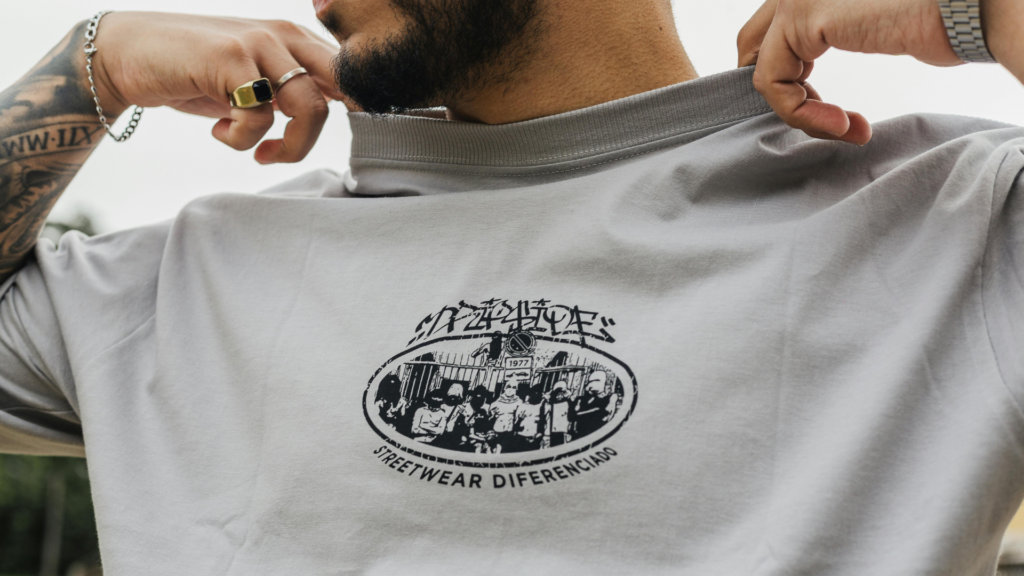
Oversized/Boxy: A massive trend in 2026 streetwear. If your event targets a younger, fashion-forward demographic, a heavy-weight, boxy tee is a high-value choice.
-
Retail Sizing: Always check if the brand uses “US Standard” or “European Slim” sizing to avoid a logistical nightmare on distribution day.
4. Choosing Your Decoration Method
Your design isn’t just about the art; it’s about how that art is applied to the garment.
-
Screen Printing: The gold standard for bulk orders (24+ pieces). It’s vibrant and incredibly durable.
-
Direct-to-Film (DTF): The rising star of 2026. Perfect for complex, full-color gradients and smaller runs. It feels lightweight and doesn’t crack easily.
-
Embroidery: Best for small chest logos on heavier tees or polos. It adds a “premium” tactile feel that printing can’t match.
5. Budgeting for Success
To get the most out of your investment, remember the “Rule of Volume.” Most printers offer significant price breaks at 24, 50, and 100 units. If you’re at 45 shirts, it’s often cheaper to order 50.
Pro Tip: Don’t forget the “Neck Label.” Custom-printed inside neck labels (instead of itchy tags) are a small cost that makes your brand look like a high-end retail line.
Final Checklist Before You Order:
-
[ ] Vector Art: Is your logo a high-res .AI or .EPS file? (No blurry JPEGs!)
-
[ ] Size Breakdown: Did you account for the “Bell Curve” (more Larges and XLs than Smalls)?
-
[ ] Deadline: Have you factored in at least 10–14 days for production and shipping?
What is the primary goal for your upcoming project: maximum durability, the lowest price point, or the softest possible feel?
 GET A FAST QUOTE