

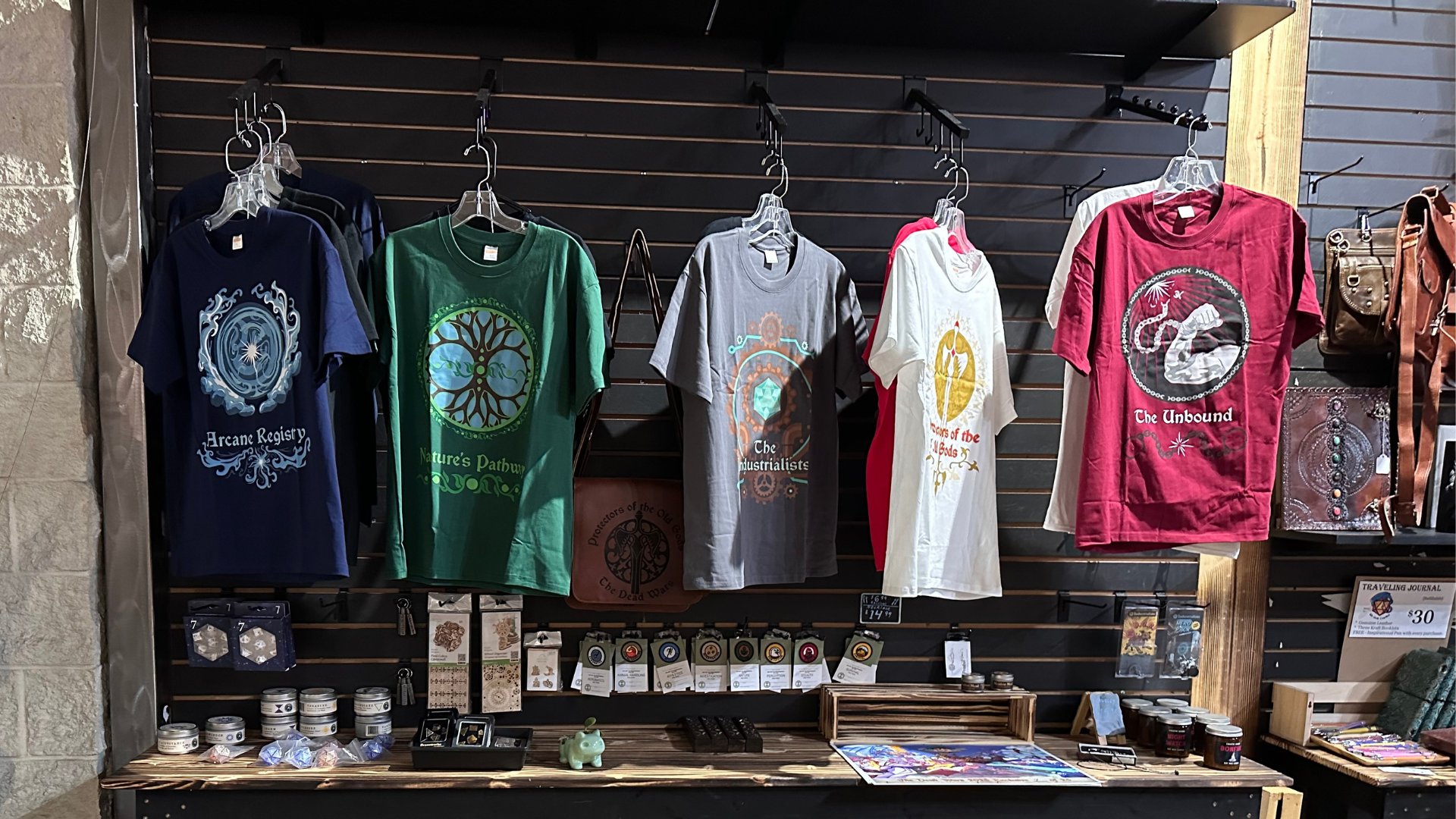
In the world of custom apparel, 2026 is officially the year of “No Limits.” We’ve moved past simple logos and basic slogans. This year, the streets are filled with intricate textures, hyper-saturated colors, and designs that feel more like fine art than promotional merch.
But as designs get more complex, traditional printing methods often struggle to keep up. That’s where Direct-to-Film (DTF) printing comes in. Here are the top five trends dominating 2026 and how DTF technology is the secret weapon bringing them to life.
- Hyper-Realistic “Digital Surrealism”
2026 is seeing a massive surge in “Digital Surrealism”—designs that feature photographic elements blended with 3D abstract art. Think glowing neon flora, liquid metallic textures, and high-definition portraits.Why DTF? Traditional screen printing would require dozens of screens to capture these gradients. DTF handles high-resolution digital files with ease, capturing every pixel and subtle color shift without losing clarity. - Chrome and Liquid Metal Aesthetics
Reflective, “liquid” typography and Y2K-inspired chrome graphics are everywhere. These designs rely on sharp edges and intense contrast to create the illusion of a 3D metallic surface on a flat fabric.Why DTF? DTF inks sit on top of the film with incredible crispness. Because the ink doesn’t “bleed” into the fabric fibers, those razor-sharp metallic edges stay sharp, maintaining the 3D effect even after multiple washes. - Neo-Vintage “Heavy Wash” Graphics
While the “distressed” look isn’t new, the 2026 version involves incredibly intricate, faded illustrations that look like they’ve survived decades of concerts. We’re talking about “cracked” paint effects and muted, sepia-toned imagery.Why DTF? DTF allows for “halftoning”—a technique where tiny dots of ink create the illusion of a fade. This allows designers to simulate a vintage, worn-out look with soft edges that feel light and breathable on the shirt. - Maximalist “All-Over” Placements
Small chest logos are taking a backseat to maximalism. We’re seeing designs that wrap around the sides, climb up the shoulders, or sit awkwardly (but stylishly) near the hemline.Why DTF? Since DTF transfers are applied via a heat press, they can be placed in spots where a traditional printer can’t reach. You can print the design on film first and then precisely position it over seams, near collars, or on sleeves with 100% accuracy. - Earth-Tone Fluorescents
A unique color trend for 2026 is the pairing of “earthy” bases (terracotta, sage, deep sand) with ultra-bright, fluorescent accents. It’s a mix of organic and synthetic that requires perfect color accuracy to look intentional.Why DTF? DTF’s white ink underbase is the game-changer here. Even on a dark terracotta shirt, a fluorescent lime green or electric blue will look exactly as it did on your computer screen. The white layer prevents the shirt color from “muddying” the bright design.
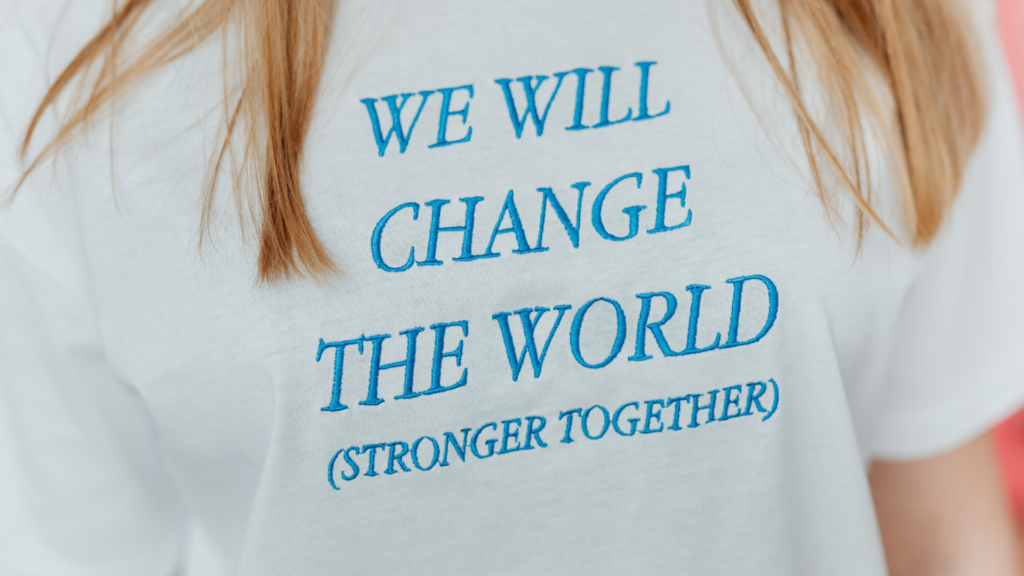
The Verdict: Why 2026 Belongs to DTF
The theme for this year’s fashion is detail. As creators push the boundaries of what can be a “T-shirt design,” they need a printing method that doesn’t say “no” to complex gradients, tiny details, or difficult placements.
DTF printing isn’t just a trend itself; it’s the engine allowing all these other trends to thrive. If you’re planning your 2026 apparel line, DTF is the key to turning these high-concept visions into wearable reality.
 GET A FAST QUOTE